
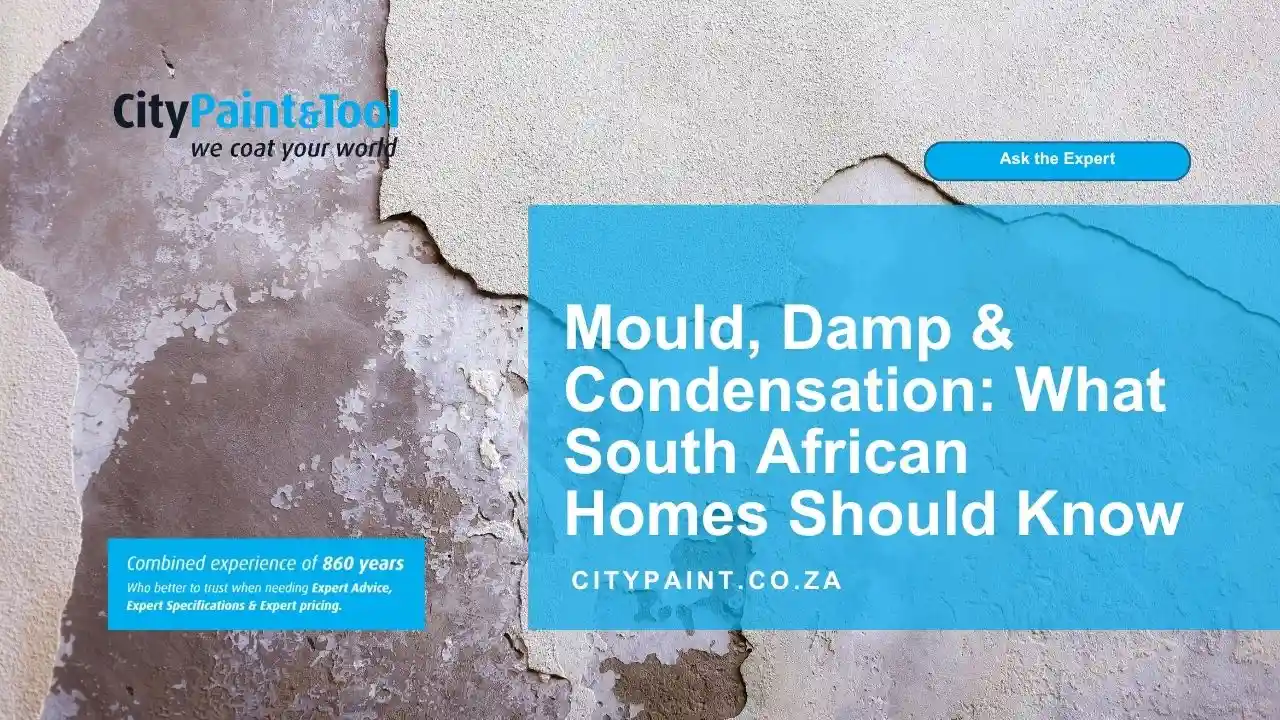
Mould, damp and condensation are among the most common causes of damaged paint, unhealthy indoor environments and costly building repairs. While they often appear together, each has different causes and requires a different solution. Understanding the source of the problem is the first step toward protecting your home with the correct waterproofing and coating systems.
During winter, homes are more prone to moisture-related issues such as mould, damp, and condensation. As temperatures drop, indoor environments become more enclosed, allowing moisture to build up and settle on colder surfaces.
If left untreated, these conditions can affect both the comfort of your home and the condition of your walls and finishes. Understanding the causes and early signs allows you to take action before the problem worsens.
Why Mould Increases in Winter
Winter creates the ideal environment for mould growth due to a combination of moisture and limited airflow.
- Reduced ventilation traps moisture indoors
- Warm indoor air condenses on cold surfaces such as walls and windows
- Persistent damp areas create suitable conditions for mould to develop
Over time, this leads to visible growth and unpleasant odours.
Early Warning Signs to Watch For
Identifying issues early can prevent more serious damage.
- Dark spots forming on walls or ceilings
- A persistent damp or musty smell
- Condensation on windows and interior surfaces
- Peeling or bubbling paint
These signs often indicate underlying moisture problems that need attention.
Simple Ways to Improve Ventilation
Improving airflow is one of the most effective ways to reduce moisture levels.
- Open windows when weather allows to promote air circulation
- Use extractor fans in high-moisture areas such as kitchens and bathrooms
- Avoid drying clothes indoors without proper ventilation
- Position furniture slightly away from walls to allow airflow
These small changes can significantly reduce condensation build-up.
When Repainting Is Not Enough
If moisture problems persist, repainting alone will not provide a lasting solution.
- Damp must be treated at its source before any repainting is done
- Waterproofing may be required for exterior walls
- Specialised coatings can help manage areas prone to moisture
Pro Tip: Always address the cause of moisture before applying new paint.
Protecting Your Home with the Right Products
Using the correct combination of treatments and coatings provides more effective protection.
- Exterior coatings reduce water penetration
- Interior sealers help control moisture within walls
- Waterproofing systems provide long-term resistance to damp
Expert Advice You Can Trust
City Paint & Tool can assist you with:
- Identifying moisture-related issues
- Selecting the most suitable products
- Providing guidance on proper application
- Offering advice on long-term prevention
FAQs
- Is mould harmful in the home?
Mould can affect indoor air quality and should be addressed as soon as it appears. - What causes mould on walls?
Mould grows where excess moisture combines with poor ventilation and suitable temperatures. - Can repainting remove mould?
No. The moisture source must first be eliminated before repainting. - Is condensation the same as damp?
No. Condensation is moisture from humid air, while damp usually results from water entering the building fabric. - Can condensation cause damage on its own?
Yes. Over time, condensation can lead to damp and surface deterioration. - How can I prevent mould from returning?
Improving ventilation and addressing moisture sources are key to prevention.
Visit City Paint & Tool to explore solutions for mould, damp, and condensation and keep your home protected throughout winter.